Sale!

Cattle Calf Dehorning Machine Dehorners Saw in Bangladesh
- Hassle free return policy
- Fast express delivery
$ 91.36
Order on WhatsApp
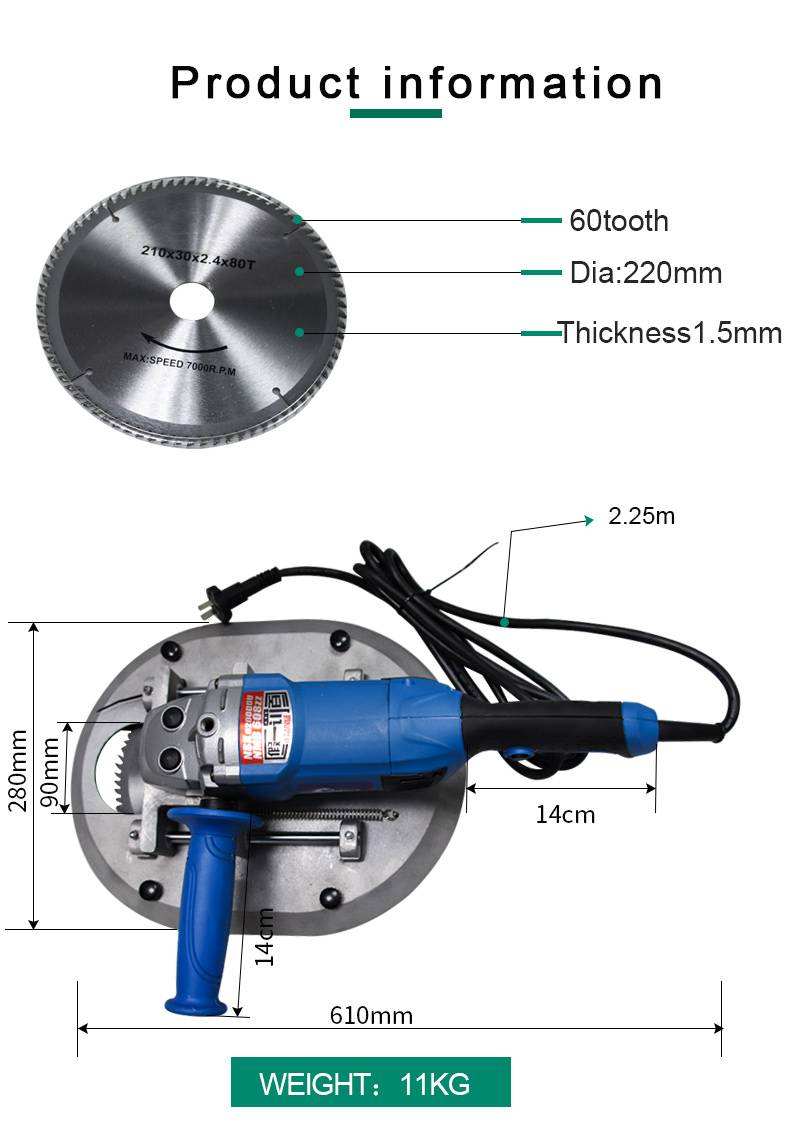
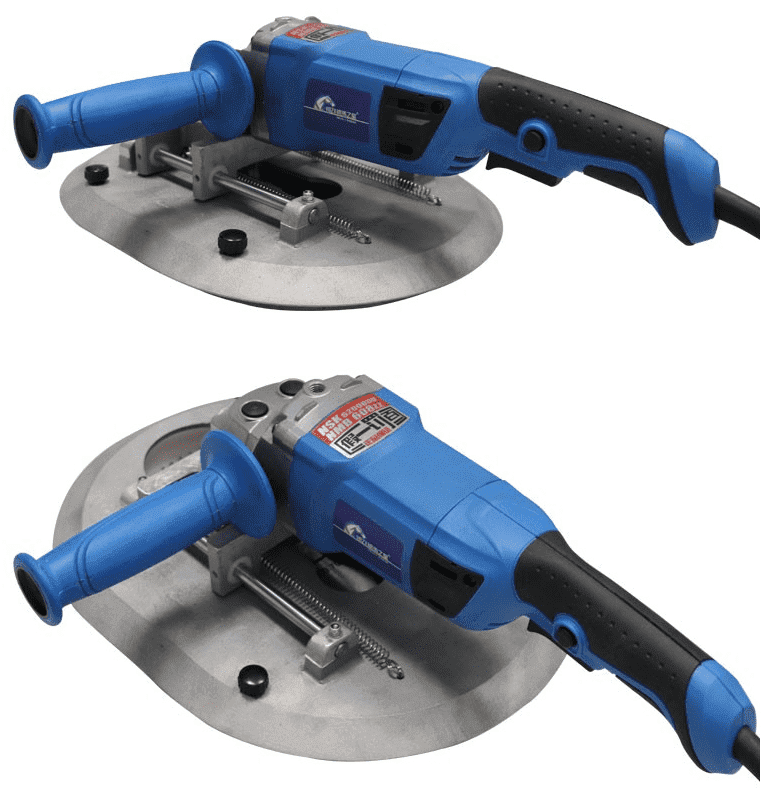
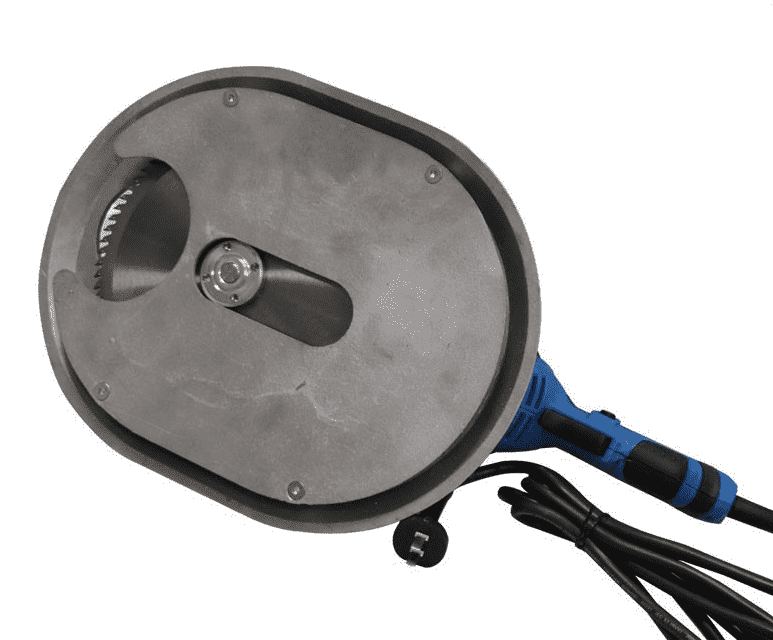
Calves Bull Bloodless Dehorners Saw Angle Grinder Remover Cattle Calf Dehorning Machine in Bangladesh sell in BangladeshProduct NameBloodless Cattle Calf Saw Angle Grinder RemoverMaterialsteelSize62*32*20cmVoltage220VPower1700WSuitable forcattleFeatureBloodless, Easy to operateBenefitImprove the quality of breeding of cattleApplicationAnimal Dehorner1. Description of Bloodless Cattle Calf Saw Angle Grinder Remover After the horns are fixed, the horns are cut by an electric cutter from the bottom of the horns with electric cutter. The angle removal speed is fast and the operation is simple. After the horns are removed, the cattle can be prevented from being injured due to fighting, especially since the breasts will not be hurt by the following cattle. Horned cattle are quieter and easier to manage.2. Using Method of Bloodless Cattle Calf Saw Angle Grinder Remover Fix the horns, plug in the power, wait for the saw blade to become hot, push the saw blade, the horns will be removed as soon as you press it, and the cattle can hardly feel pain.Horns and Their GrowthHorns are the pairs of hard, bonelike, permanent growths projecting from the heads of cattle. They grow from a unique area of skin cells at the base of the horn. At about two months of age, horns become attached to the frontal bone of the skull. A sinus lies within the skull beneath the horn bud. As the horn grows and attaches to the skull, this frontal sinus joins into the adjacent portion of the horn. Reasons For Dehorning ******Advisors commonly recommend dehorning young calves to:reduce the risk of injury and bruising to herd matesprevent financial losses from trimming damaged carcasses caused by horned feedlot cattle during transport to slaughterrequire less space at the feed bunk and in transitdecrease risk of injury to farmworkers, horses and dogsdecrease the risk of death, illness, and setback by dehorning young calves versus older calvesgain a price advantage by offering hornless cattle at auctionproduce docile cattle that are easier to handledecrease aggressiveness at the feed bunkenhance on-farm safety for animals, producers, and employeesfacilitate easier use of handling facilities Dehorning AgeDehorning at a young age minimizes hazards to the calf, the cow-calf producer, and the feedlot owner. Hazards for calves and owners include:sickness or death following dehorning of older calvesdecreased liveweight gains in the weeks following dehorning of older calvesloss of productivityMany producers choose to dehorn new-born calves because:techniques are easier for the operatordehorning is less stressful on newborn calvesof concerns for animal welfareAnaesthesia and Pain ReliefChoices in anaesthesia and pain relief include:a short-acting, local anaesthetic (e.g., lidocaine) with an effect for about 60-180 minutesa sedative (alpha-2 agonist, e.g., xylazine) given alone or in conjunction with a local anaesthetic will provide analgesia for a few hoursa combination of local anaesthetic, a sedative (alpha-2 agonist, e.g., xylazine), and non-steroidal anti-inflammatory drug (NSAID) provides pain control of a longer durationinclusion of a sedative with the local anaesthetic could eliminate the need for physical restraint during dehorning Treatment with an analgesic by itself prior to disbudding (dehorning) with caustic paste is not effective in controlling pain.Blocking the Nerve to the HornThe corneal nerve supplies sensation to the horn. This nerve travels from immediately behind the eye to the base of the horn. It lies underneath a small overhanging ledge of bone that is a part of the skull. This ledge is easily detected with slight finger pressure. A vein and an artery are found in association with the nerve. Administration of the anaesthetic is simple in young calves. Many veterinarians train their clients in the technique.One nerve provides feeling to each horn. Blocking the nerve makes dehorning easier on the calf and on the person doing the job. You must block one nerve on each side of the head. Lidocaine anaesthetic is a prescription drug and is only available from your veterinarian. This procedure requires clinical training and practical experience. Local anaesthetic should be given by a veterinarian, a trained veterinary technician, or a trained operator.Choice of Dehorning MethodsThe choices of dehorning techniques range from genetic to surgical. The risks to the calf and the operator vary with each technique. Many producers choose to dehorn newborn calves because the techniques are easier for the operator, less stressful on the calves and they demonstrate concern for the animals’ welfare. Here are the common dehorning methods. Figure 1. marks the location on a bovine skull of the midpoint between the horn base and the outside corner of the eye. Anaesthetic is injected beneath the ridge of bone shown with the X and arrow in the figure.Polled BullsHorned or polled cows mated to a naturally polled bull (Angus) will give birth to polled calves. However, some non-naturally polled bulls carry the gene for horns and will not breed true for the polled trait.Advantages and Disadvantageswelfare-friendlyavailability of genetics for a specific beef or dairy breedselection for genetically polled is a trend for exotic breedsthe sensitive issue for horned Hereford breedersChemical DehorningCaustic chemicals will prevent the growth of horns when properly applied to the horn buds of newborn (less than one to three weeks of age) calves. The chemical destroys the horn-producing cells around the horn bud. The chemicals are available as sticks or pastes (Figure 2). To protect yourself, wear gloves when applying the chemicals. To protect the calf, avoid application near its eyes. Do not use caustics in rainy weather. Figure 2. Dehorning paste is a caustic chemical applied to horn buds to destroy horn-producing cells.TechniqueAdminister sedation, analgesia, and local anaesthetic.Expose the horn bud (about the size of a 5-cent piece) by pushing the hair back (Figure 3).Apply the caustic to the horn button. Use a wooden applicator. Apply a thin layer.Re-position the hair over the paste and horn bud – i.e., cover the horn bud.Although the package insert may instruct operators to clip hair at the horn bud, experienced operators have shown that not clipping hair is preferable, because the hair keeps the caustic in place, reduces the risk of irritation to the cow’s udder and flanks, and reduces irritation to other facial skin of the calf.Protect the calf and the cow from accidental caustic burns. One method is to place a patch of duct tape over each horn bud. The duct tape usually falls off in a few days. For dairy calves, keep in individual pens.In some countries, the technique is only permitted in calves less than eight days of age.Advantages and Disadvantagesperformed at a young age with less stress than some other techniquesbloodlessuse in any seasonpainful without anaesthesiaavoid contact with eyes; operator should wear glovesdo not use in rainy weathernot permitted in some countrieshorns or scurs follow improper techniquerequires pain controlProduct Video
 LEO XKP 2204 Swimming Pool Pump Price in Bangladesh
 Fish Pond Aerator machine in Bangladesh WATER PURIFICATION